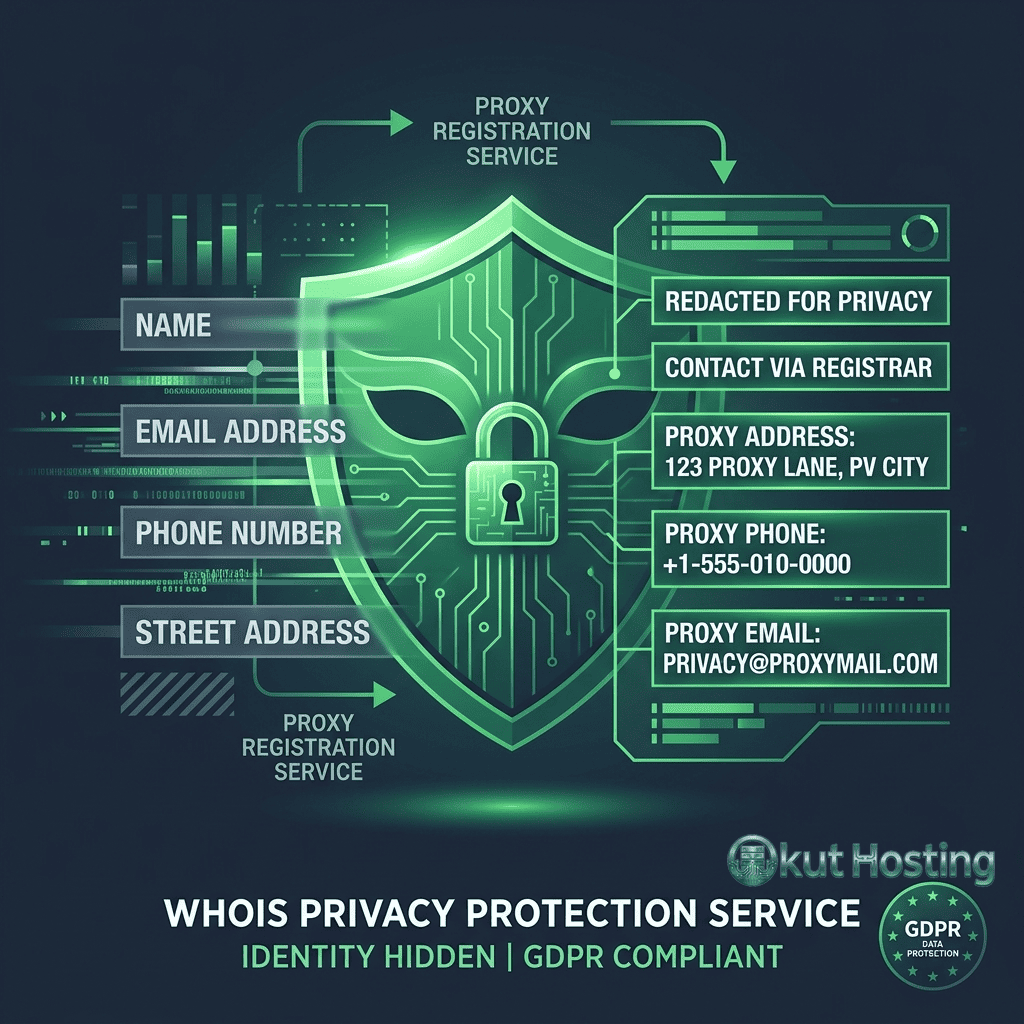
WHOIS privacy protection is a service that replaces a domain registrant’s personal information in public WHOIS databases with proxy or privacy service information, shielding the registrant’s name, physical address, phone number, and email from public access. Since ICANN requires domain registrars to collect and maintain accurate registrant contact information, WHOIS databases historically made this information publicly accessible to anyone who performed a WHOIS lookup. WHOIS privacy services address this exposure by substituting the registrant’s personal data with the privacy service provider’s information while maintaining the registrant’s legal ownership of the domain.
This guide provides comprehensive coverage of WHOIS privacy protection, explaining how it works technically, why it matters for personal and business domain owners, the impact of GDPR on WHOIS data accessibility, free versus paid privacy service comparisons, registrar privacy policies, and best practices for protecting domain registration information. The analysis provides neutral guidance for domain owners making privacy protection decisions.
What WHOIS Data Contains
A standard WHOIS record for a domain registration contains the following information: registrant name (individual or organization); registrant street address (physical mailing address); registrant city, state/province, postal code, and country; registrant phone number; registrant email address; administrative contact information (may be the same or different from registrant); technical contact information; registrar name and registration dates; nameserver information; and domain status codes. Without privacy protection, all of this information is publicly accessible through WHOIS lookup tools available on registrar websites, ICANN’s official WHOIS portal, and numerous third-party lookup services.
WHOIS Lookup Tools
WHOIS data can be queried through multiple channels: registrar WHOIS pages (most registrars provide lookup tools on their websites); ICANN’s WHOIS portal (whois.icann.org); command-line WHOIS tools available on Linux, macOS, and Windows; and numerous third-party WHOIS lookup websites. The accessibility of WHOIS data through multiple channels means that any publicly visible registration information is easily obtainable by anyone, reinforcing the importance of privacy protection for registrants who want to limit public exposure of their personal data.
Historical WHOIS Data
Historical WHOIS services (such as DomainTools and WHOIS History databases) archive past WHOIS records, meaning that personal information exposed before privacy protection was enabled may remain accessible through historical archives. This persistence of historical data underscores the importance of enabling WHOIS privacy at the time of initial domain registration rather than adding it after personal data has already been publicly indexed. For domains that have had privacy protection added after initial registration, historical WHOIS data may still contain the original personal registration information in third-party archives.
How WHOIS Privacy Works
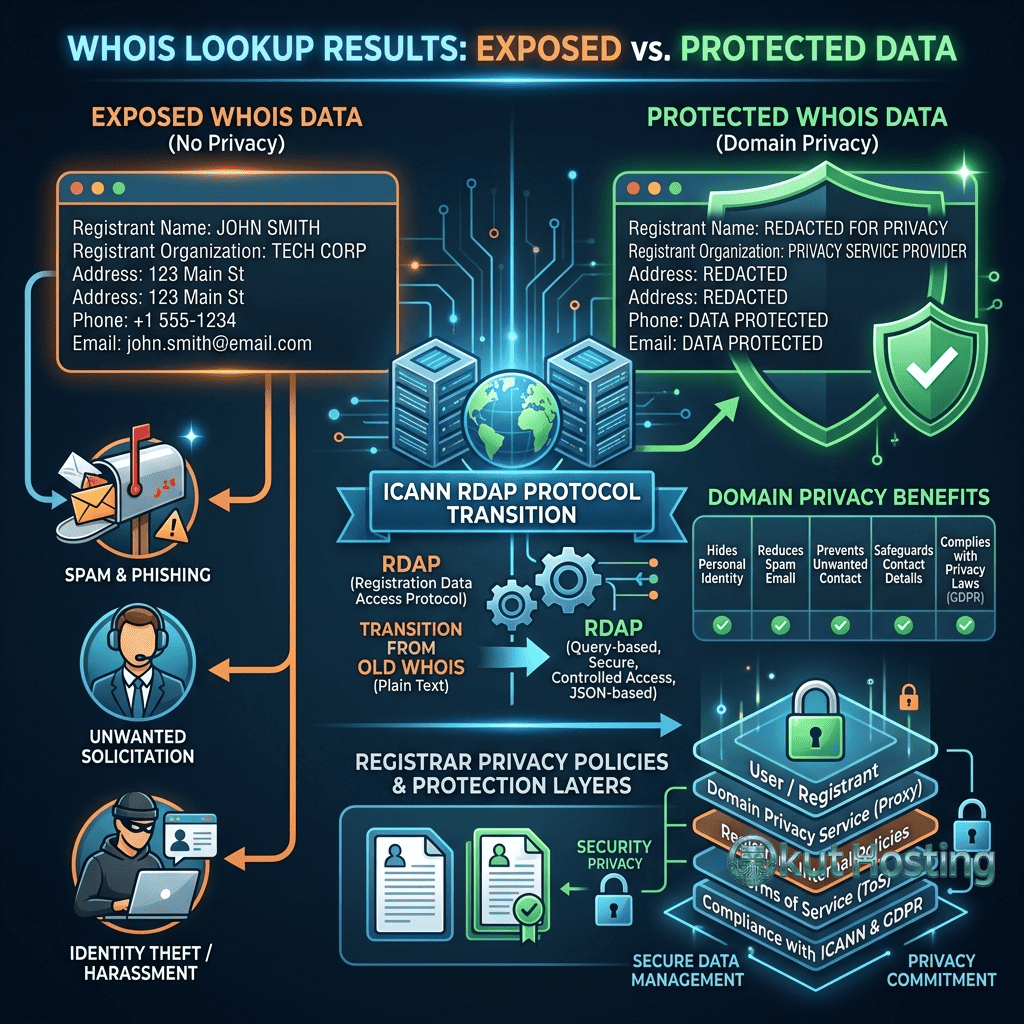
When WHOIS privacy protection is enabled, the registrar or its privacy service partner replaces the registrant’s personal contact information with proxy information in the public WHOIS database. The proxy information typically includes: the privacy service company’s name instead of the registrant’s name; the privacy service’s physical address instead of the registrant’s address; a privacy-protected email forwarding address that forwards messages to the registrant’s actual email; and the privacy service’s phone number with forwarding capability.
The actual registrant information remains stored securely in the registrar’s internal records for ICANN compliance and legal requirements. The privacy service acts as a intermediary, forwarding legitimate communications to the actual registrant while filtering spam and unsolicited contacts that target WHOIS data. Domain ownership, control, and legal rights remain entirely with the actual registrant regardless of whether privacy protection is enabled.
Why WHOIS Privacy Matters
Spam and Unsolicited Contact Prevention
Exposed WHOIS data is actively harvested by automated scrapers that compile registrant contact information for spam email campaigns, telemarketing calls, and direct mail solicitations. Domain owners without WHOIS privacy frequently report significant increases in spam email, unsolicited phone calls, and junk mail within days of domain registration. WHOIS privacy effectively eliminates this data harvesting by removing the actual contact information from public databases.
Identity Theft Protection
Public exposure of personal names, physical addresses, phone numbers, and email addresses through WHOIS records creates identity theft risks. Malicious actors can combine WHOIS data with other publicly available information to build comprehensive profiles for social engineering attacks, phishing campaigns, and identity fraud. WHOIS privacy reduces the availability of personal data that could be exploited for these malicious purposes.
Physical Safety
For website operators who publish controversial content, operate whistleblower platforms, or manage politically sensitive websites, public WHOIS data can expose physical locations and personal identities. WHOIS privacy provides a layer of protection by keeping the domain operator’s physical address and personal identity separate from the publicly visible domain registration. This separation is particularly important for journalists, activists, abuse survivors, and others whose physical safety could be compromised by public identification as a domain operator.
Competitive Intelligence Prevention
For businesses developing new products, services, or brands, domain registrations can reveal strategic plans before public announcement. Competitors monitoring WHOIS data can discover new domain registrations associated with a company’s known contacts, revealing upcoming products or initiatives. WHOIS privacy prevents competitive intelligence gathering through domain registration monitoring by obscuring the connection between the domain and the registering organization.
Business Address Protection
Home-based businesses that register domains using residential addresses expose their home address through public WHOIS records. WHOIS privacy replaces the residential address with the privacy service’s business address, maintaining professional separation between business operations and personal residence. For small business owners operating from home offices, this separation is both a privacy and security consideration.
GDPR Impact on WHOIS
The European Union’s General Data Protection Regulation (GDPR), effective since May 2018, has significantly impacted WHOIS data accessibility. GDPR’s data minimization principles and restrictions on publishing personal data without consent led to widespread redaction of registrant personal information from public WHOIS records for domains registered by EU residents. Under GDPR-compliant WHOIS implementations, registrant names, addresses, phone numbers, and email addresses are redacted from public WHOIS output, with only technical data (nameservers, domain status, dates) remaining visible.
The GDPR’s impact has extended beyond EU registrants, as many registrars have applied similar privacy protections globally rather than maintaining different WHOIS access levels for different jurisdictions. This regulatory-driven privacy enhancement has reduced (but not eliminated) the need for separate WHOIS privacy services for domains registered through GDPR-compliant registrars. However, not all registrars apply the same level of redaction, and WHOIS privacy services continue providing additional protection layers.
Free vs Paid WHOIS Privacy
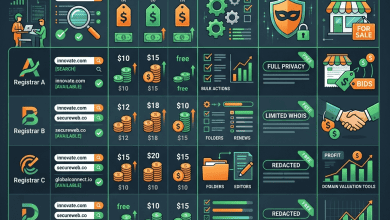
The domain registrar market has shifted significantly toward free WHOIS privacy inclusion. Major registrars including Namecheap, Cloudflare, Porkbun, Hover, Namesilo, and Dynadot include free WHOIS privacy with all eligible domain registrations. Some registrars like GoDaddy charge additional fees for WHOIS privacy (though the pricing has become more competitive). The trend toward free privacy reflects market competition and changing customer expectations about privacy as a standard feature rather than an optional add-on.
For domain buyers evaluating registrars, the cost of WHOIS privacy should be factored into the total cost of domain ownership. A registrar with slightly higher registration pricing but free privacy may provide lower total cost than a cheaper registrar that charges annual privacy fees. For domain portfolio owners with many domains, per-domain privacy fees compound to significant annual costs that free-privacy registrars eliminate entirely.
Privacy Service Variations
WHOIS privacy implementations vary between registrars and privacy service providers. Key differences include: email forwarding behavior (some services forward all emails, others filter spam before forwarding); physical mail forwarding (some services forward mail sent to the proxy address, others do not); phone forwarding (some services provide call forwarding, others use non-functional proxy numbers); legal compliance (how the service responds to subpoenas and legal requests for actual registrant data); and data retention policies (how long the service retains forwarded communications).
When WHOIS Privacy May Not Be Appropriate
Certain situations may warrant visible WHOIS information: established businesses that want public WHOIS data to demonstrate transparency and legitimacy; organizations required by industry regulations to maintain publicly verifiable domain ownership; domains used for official government or institutional purposes where public accountability is expected; and domains seeking Extended Validation (EV) SSL certificates that require verified organizational information. In these cases, accurate public WHOIS data serves transparency and verification purposes.
WHOIS Privacy and Domain Transfers
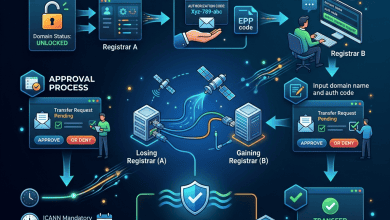
WHOIS privacy can affect domain transfer processes if the privacy service does not properly forward transfer authorization emails to the actual registrant. Before initiating a domain transfer, domain owners should verify that transfer-related communications will reach them through the privacy service’s email forwarding, or temporarily disable WHOIS privacy to ensure direct receipt of transfer authorization emails. After transfer completion, WHOIS privacy can be re-enabled at the gaining registrar.
WHOIS Privacy and Legal Considerations
WHOIS privacy services do not provide absolute anonymity — they shield personal data from casual public access but can be legally compelled to reveal actual registrant information in response to valid legal processes including court orders, subpoenas, and trademark dispute proceedings (UDRP). Privacy services establish clear policies about the circumstances under which registrant information will be disclosed, and domain owners should understand their privacy service’s disclosure policies. WHOIS privacy protects against spam, data harvesting, and casual identification but does not provide immunity from legitimate legal proceedings.
Country-Code TLD Privacy Variations
WHOIS privacy availability varies by top-level domain, with some country-code TLDs (.us, .ca, .uk, .de) having specific privacy rules that differ from generic TLDs. Some country-code registries require accurate public WHOIS data for their TLD, limiting or prohibiting proxy privacy services. For example, .us domains require accurate registrant information under the Nexus Policy. Domain owners registering country-code TLDs should verify the privacy options available for their specific extension, as the registrar’s standard WHOIS privacy may not apply to all TLDs.
WHOIS Privacy and Email Communication
Quality WHOIS privacy services provide email forwarding that delivers legitimate communications sent to the WHOIS-listed proxy email address to the actual registrant. This forwarding ensures that important messages — including domain expiration notices, legal notices, and business inquiries — reach the domain owner despite the privacy protection. Domain owners should periodically verify that email forwarding is functioning correctly and that important messages are not being filtered incorrectly by the privacy service’s spam detection.
Privacy for Children and Minors
WHOIS privacy is especially important for domain registrations associated with minors or children’s organizations. The Children’s Online Privacy Protection Act (COPPA) and similar regulations in other jurisdictions restrict the public collection and exposure of personal data associated with children. WHOIS privacy ensures that personal data associated with domain registrations for children’s websites, educational projects, or youth organizations is not publicly exposed through domain registration records.
Domain Expiration and Privacy
When a domain expires, the WHOIS privacy protection typically expires along with the domain registration. During the domain’s grace period and redemption period, privacy protection status may change depending on the registrar’s policies. If the domain is renewed, privacy protection is typically restored. If the domain is not renewed and eventually becomes available for new registration, the expired domain’s historical WHOIS data (including any periods without privacy protection) may remain in historical WHOIS archives.
Registrar Privacy Comparison
Free WHOIS privacy registrars: Namecheap (free with all domains), Cloudflare Registrar (free with all domains), Porkbun (free with all domains), Hover (free with all domains), Namesilo (free lifetime with all domains), Dynadot (free with all domains), Squarespace Domains (free with all domains). Paid WHOIS privacy: GoDaddy (paid add-on, though occasionally bundled in promotions). The clear market trend toward free privacy inclusion has made paid WHOIS privacy increasingly obsolete as a standalone revenue source for registrars.
WHOIS Data Accuracy Requirements
Despite WHOIS privacy services substituting personal data with proxy information, ICANN requires registrars to maintain accurate registrant information in their internal records. Registrars are required to verify registrant data and may suspend domains with intentionally inaccurate registration information. WHOIS privacy services satisfy ICANN’s public data requirements while the registrar maintains accurate private records. Domain owners should ensure that their actual contact information stored with the registrar (separate from the publicly visible proxy data) remains current and accurate to maintain ICANN compliance and prevent potential domain suspension.
Thick WHOIS vs Thin WHOIS
WHOIS databases operate under two models: thick WHOIS (where the registry stores complete registrant contact information) and thin WHOIS (where the registry stores only basic technical data, with contact information stored at the registrar level). The .com and .net registries transitioned from thin to thick WHOIS in 2018, centralizing registrant data at the registry level. This distinction affects how WHOIS privacy services interact with the registration data infrastructure and how RDAP will access registrant information. Understanding the thick/thin WHOIS model clarifies where registrant data is stored and how privacy services protect it at different infrastructure levels.
WHOIS Privacy for Organizational Domains
Organizations registering domains face different privacy considerations than individuals. While individual registrants benefit from personal data protection, organizations may want their business information visible in WHOIS records for credibility and transparency. However, listing individual employee names and personal phone numbers in organizational WHOIS records creates employee privacy concerns. Best practice for organizational domains involves listing the organization’s name, business address, and general contact information rather than individual employee personal data, with or without WHOIS privacy protection enabled.
RDAP: The WHOIS Successor
Registration Data Access Protocol (RDAP) is the IETF-standardized successor to the WHOIS protocol. RDAP provides structured, machine-readable registration data with built-in support for access control, internationalization, and authentication. Unlike the text-based WHOIS protocol, RDAP uses JSON format and HTTPS transport, enabling more sophisticated access policies including differentiated data access based on the requester’s authorization level. RDAP is gradually replacing WHOIS as the standard domain registration data access protocol, with ICANN mandating RDAP support from registries and registrars.
Privacy Best Practices
Best practices for WHOIS privacy include: enabling WHOIS privacy on all personal and small business domain registrations to minimize public data exposure; choosing registrars that include free WHOIS privacy to avoid ongoing privacy fees; verifying that the privacy service properly forwards email communications including transfer authorizations; understanding the privacy service’s legal disclosure policies; using unique email addresses for domain registration to limit data correlation; and regularly checking WHOIS records to verify that privacy protection remains active and personal data is not exposed.
Summary
WHOIS privacy protection is an essential and increasingly important service for domain owners who want to prevent public exposure of personal contact information through domain registration records. The comprehensive combination of spam prevention, identity theft protection, physical safety considerations, and business address privacy makes WHOIS privacy a strongly recommended default for most personal and small business domain registrations. The market trend toward free WHOIS privacy inclusion, combined with GDPR-driven WHOIS data redaction, has made privacy protection more accessible than ever. Domain owners should prioritize registrars that include free WHOIS privacy and understand how their privacy service operates in practice, including email forwarding behavior and legal disclosure policies.
Information discussed in this guide reflects general WHOIS privacy practices and regulatory frameworks. Specific privacy features and policies vary by registrar. Okut Hosting is an independent review platform with no affiliate relationships with any company mentioned in this article.
For related guides, see our GoDaddy vs Namecheap comparison, our domain lock settings guide, and our Namesilo review.